
The Amazing Benefits of Eating Food in Earthenware Pots
Explore the rich culinary history of earthenware pots, which serve as essential cooking vessels and cultural artifacts, reflecting traditional practices across diverse cultures.The Amazing Benefits of Eating Food in Earthenware Pots
1/24/20264 मिनट पढ़ें
Introduction to Earthenware Pots: A Culinary Tradition
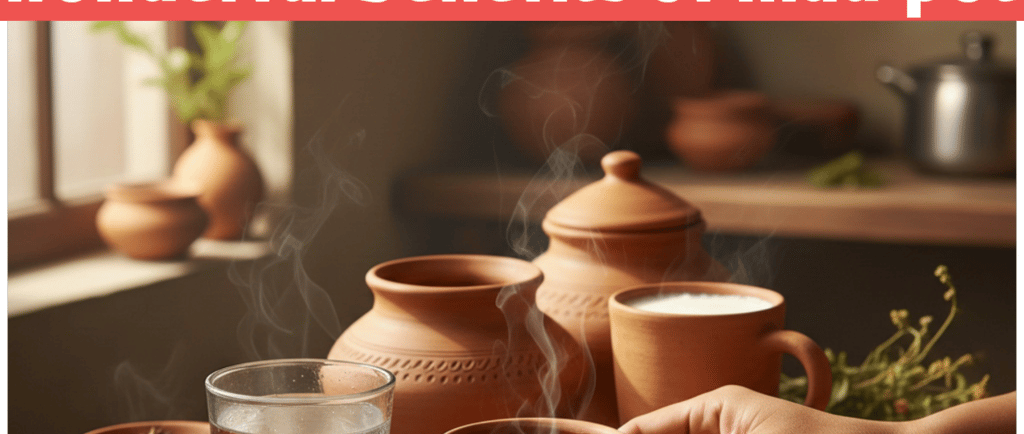
Friends, clay is filled with immense power, which is why clay pots are beneficial for health. Today, we'll discuss this in detail.Earthenware pots are an integral element of culinary history across various cultures, serving not only as cooking vessels but also as cultural artifacts that embody traditional practices. These pots, made from natural clay, have been utilized for thousands of years, reflecting the ingenuity of early civilizations. Across regions such as Africa, Asia, and the Mediterranean, earthenware pottery has developed into a significant part of domestic life and cuisine, as communities recognized their benefits in food preparation and storage.
Historically, earthenware pots have been used in various cooking methods, including baking, roasting, and stewing, owing to their unique ability to retain heat and distribute it evenly. This characteristic ensures that food cooks thoroughly while enhancing flavors, making earthenware a popular choice among traditional chefs. Moreover, the porous nature of these pots allows moisture to escape, promoting a distinct texture and flavor profile in the dishes prepared.
In addition to their practical applications, earthenware pots are also celebrated for their role in sustaining culinary heritage. By continuing to use these ancient cooking vessels, communities link the present with the past, preserving age-old recipes and methods that have defined regional cuisines. From the Moroccan tagine to Indian rajai, earthenware pots are pivotal in executing specific culinary traditions that have been passed down through generations.
The resurgence of interest in cooking with earthenware pots in contemporary times reflects a broader movement toward sustainable and health-conscious cooking practices. As consumers increasingly prioritize natural and organic methods, the timeless practice of preparing food in earthenware vessels resonates with modern values of authenticity and nourishment. This blog post will explore the remarkable health benefits and flavor enhancements associated with cooking in earthenware pots, highlighting the significance of this time-honored tradition in our kitchens today.
Health Benefits of Cooking in Earthenware
Cooking in earthenware pots offers numerous health benefits that contribute to a more nutritious diet. One of the primary advantages is the ability of earthenware to retain essential minerals and vitamins during the cooking process. Unlike metal or non-stick cookware, which can leach harmful substances into food, earthenware is made from natural materials that do not introduce toxins. This quality not only preserves the integrity of the ingredients but also enhances the nutritional value of the meals prepared.
Research indicates that food prepared in earthenware pots retains higher amounts of nutrients as compared to that cooked in conventional cookware. This is largely due to the porous nature of earthenware, which allows it to regulate moisture levels effectively. As a result, dishes tend to cook evenly, maintaining their flavor and nutrients without the need for added fats or oils. This natural moisture retention means that cooking times can often be reduced, which further preserves healthful qualities.
Moreover, cooking in earthenware can help to mitigate the risks associated with harmful chemicals found in some non-stick surfaces. Many modern cookware options can release toxic substances at high temperatures, which could pose health risks over time. Conversely, earthenware offers a safe alternative for those concerned about chemical exposure, aligning with a healthier lifestyle.
Additionally, the benefits extend beyond just nutritional value. The unique thermal properties of earthenware allow for a more consistent cooking temperature, which can dramatically affect the flavors and textures of the food. Ultimately, integrating earthenware into your cooking methods can not only lead to healthier meals but also contribute to a more enjoyable culinary experience.
Enhanced Flavor and Aroma in Earthenware Cooking
Cooking with earthenware pots offers a distinct advantage when it comes to flavor and aroma. The unique material properties of earthenware contribute to an enhanced cooking experience, which many chefs and home cooks have come to appreciate. One of the key benefits of earthenware is its ability to provide slow and even heat distribution. This characteristic ensures that foods are cooked at a consistent temperature, allowing for a thorough infusion of flavors. In contrast, metallic cookware tends to conduct heat unevenly, which can result in hot spots. Consequently, dishes prepared in earthenware often boast a richer taste.
Another advantage is the porous nature of earthenware, which allows moisture to escape slowly during the cooking process. This helps to concentrate flavors and meld them together in a way that is difficult to achieve with non-porous materials. Many cooks have noted that dishes such as stews, curries, and casseroles not only come out tender but are also imbued with a depth of flavor that is incredibly satisfying.
Testimonials from both chefs and home enthusiasts further highlight the benefits of cooking in earthenware. Renowned chef Mark Thompson mentions that every time he uses earthenware for his signature chili recipe, the end result is always a flavor explosion that he has not been able to replicate with any other type of cookware. Similarly, passionate home cook Sarah Lee recalls how the first time she cooked pasta sauce in an earthen pot, her family noticed an earthy undertone that added a layer of complexity to the dish.
In addition to enhancing flavors, earthenware also imparts subtle earthy qualities that can elevate a dish's overall sensory profile. The warmth and rustic appeal of earthenware not only contribute to the aesthetic value of meals but also enhance the aroma, creating a holistic culinary experience that is truly delightful.
Practical Tips for Cooking with Earthenware Pots
Cooking with earthenware pots can significantly enhance flavors and improve the nutritional value of your meals. However, to maximize these benefits, it is essential to understand how to care for and use these unique cookware pieces effectively. Begin by gradually acclimating your earthenware pot to heat; sudden temperature changes can lead to cracking. For best results, place the pot in a cold oven and gradually increase the temperature.
When it comes to maintenance, hand washing is usually best. Use warm water and mild soap, avoiding abrasive sponges that could scratch the surface. For deeper cleaning, a mix of baking soda and water can be a gentle yet effective option. Always dry your earthenware pots thoroughly before storing them to prevent moisture buildup, which can lead to mold formation.
Earthenware pots are ideal for slow cooking and baking. Dishes that benefit from extended cooking times, such as stews or casseroles, thrive in these pots as the clay material retains heat evenly, preserving flavor and moisture. However, avoid cooking dishes that require quick high temperatures, as this may lead to the pot breaking.
To prevent chipping, handle your earthenware with care. Avoid using metal utensils that could scratch the surface; opt for wooden or silicone tools instead. Moreover, always store your cookware stacked with protective padding to prevent bumps and scratches.
For those looking to explore cooking in earthenware pots, try simple recipes like hearty vegetable stews or baked casseroles. These recipes allow you to experience the unique flavors enhanced by the earthenware, inviting you to explore further culinary adventures with this traditional cookware.
Contact
Reach us to book your wellness session
Email - rajnaturcure@gmail.com
© 2025. All rights reserved.