Understanding Water Therapy: Types, Procedure, and Benefits
The fundamental principles underpinning water therapy revolve around the duality of its properties: water can be both soothing and invigorating.Understanding Water Therapy: Types, Procedure, and Benefits
Rajesh Kumar
1/7/20264 मिनट पढ़ें
What is Water Therapy?
Water therapy, often referred to as hydrotherapy, is a therapeutic practice that utilizes water in various forms to promote physical and mental well-being. This treatment method dates back to ancient civilizations, with its roots observed in cultures such as the Greeks, Romans, and Egyptians, who recognized the healing properties of water. In essence, water therapy harnesses the physical properties of water—such as temperature, pressure, and buoyancy—to facilitate healing, relaxation, and rehabilitation.
In contemporary settings, water therapy encompasses a wide range of modalities including aquatic therapy, contrast baths, and whirlpool treatments. Each of these practices can be tailored to address specific health concerns, from managing chronic pain to assisting in post-surgical rehabilitation. Aquatic therapy, for instance, involves performing exercises in a warm-water environment, which can alleviate stress on joints while enhancing mobility and strength. This is particularly beneficial for individuals recovering from injuries or surgeries.
The fundamental principles underpinning water therapy revolve around the duality of its properties: water can be both soothing and invigorating. Warm water is often employed to relax muscles and decrease pain levels, while cold water acts as a stimulant to improve circulation and reduce inflammation. Additionally, the buoyancy of water can provide individuals with a sense of weightlessness, allowing for enhanced movement and reduced strain during physical activities.
Overall, water therapy serves as a versatile treatment option across various contexts, whether in medical rehabilitation, wellness programs, or even spa treatments aimed at relaxation. Understanding the scope of water therapy and its historical significance sheds light on its enduring appeal as a holistic approach to health and well-being.
Types of Water Therapy
Water therapy encompasses a variety of therapeutic techniques that utilize the properties of water to promote healing and wellness. Each method of water therapy is designed to address different physical and psychological conditions, catering to a diverse clientele. Below are some of the most common types of water therapy.
Hydrotherapy is one of the most recognized forms of water therapy, employing water at various temperatures to alleviate pain and promote healing. Techniques such as whirlpool baths, contrast baths, and steam inhalation are typically used to soothe sore muscles, stimulate blood flow, and enhance overall recovery. This method can be particularly beneficial for individuals with arthritis, injuries, or chronic pain conditions.
Aqua aerobics, on the other hand, combines the principles of traditional aerobics with the buoyancy of water. This form of exercise is often conducted in a shallow pool and is suitable for individuals of various fitness levels. Aqua aerobics helps improve cardiovascular fitness, muscular strength, and endurance while minimizing stress on the joints, making it an excellent choice for those recovering from injury or managing weight.
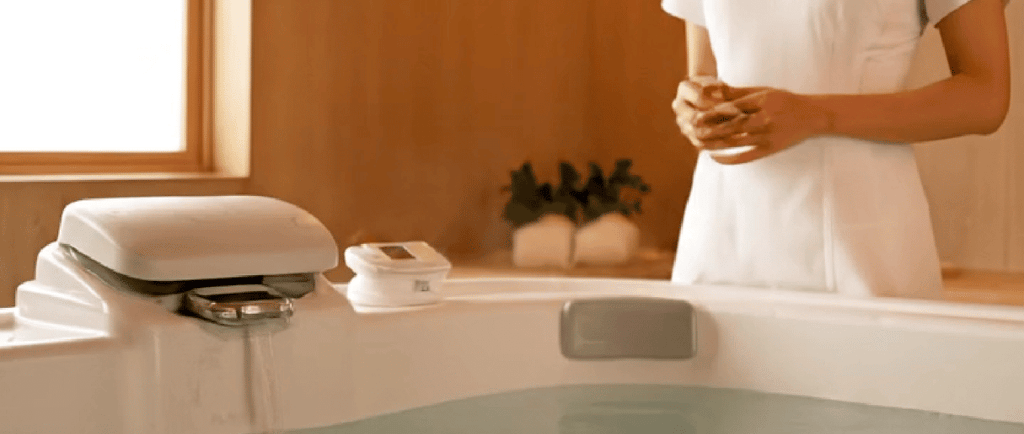
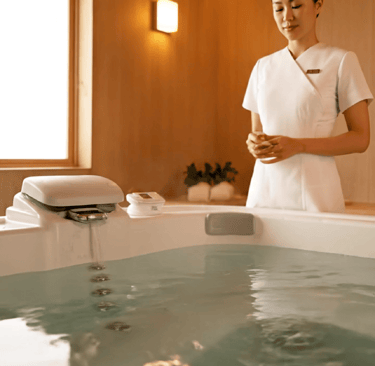
Immersion therapy involves submerging the body in water, which can enhance relaxation and relieve tension. This type of therapy can take place in hot tubs, baths, or therapeutic pools, and is often used to treat stress, anxiety, and insomnia. The warm water facilitates muscle relaxation and decreases physical tension associated with emotional stressors.
Finally, floatation therapy utilizes controlled environments where participants float in a saline solution, allowing for complete buoyancy and relaxation. By removing external stimuli and providing a sense of weightlessness, floatation therapy can help reduce stress, enhance mental clarity, and foster a deeper state of relaxation. This method might be particularly effective for those dealing with anxiety and chronic pain.
Each of these types of water therapy can be tailored according to individual needs, making water therapy a versatile option for many seeking therapeutic relief.
Procedure of Water Therapy
Water therapy, also known as aquatic therapy, encompasses various types of treatments that utilize water as a therapeutic medium. The procedure typically begins with an assessment conducted by a qualified therapist. This assessment involves evaluating the individual's medical history, physical abilities, and specific needs. Qualified therapists utilize this information to develop a tailored therapy plan aimed at achieving the participant's rehabilitative goals.
The structure of a typical water therapy session varies based on the type of therapy being administered. Sessions often take place in specialized environments, such as warm-water pools or therapeutic tubs, designed to facilitate movement and provide comfort to patients. It is not uncommon for the water temperature to be adjusted for optimal relaxation and muscle facilitation. During the session, participants may engage in various exercises, ranging from gentle stretches to more rigorous movements, all while being buoyant in water, which reduces strain on joints and muscles.
Preparation for water therapy involves several important steps. Participants are usually advised to wear appropriate swimwear and may be encouraged to bring water shoes for enhanced grip. Before entering the water, individuals might undergo a brief warm-up to prepare their muscles. Equipment such as flotation devices, resistance bands, and kickboards may also be utilized to enhance the effectiveness of the therapy.
Qualified therapists play an essential role throughout the therapy process. They guide each session, ensuring that participants perform exercises with correct form to maximize benefits while minimizing the risk of injury. Safety is paramount; therefore, therapists monitor participants continuously, ensuring the environment remains safe and responsive to individual capabilities. For individuals new to this type of therapy, starting with shorter sessions can ease the acclimatization to water exercises, thereby improving comfort and encouraging progress.
Benefits of Water Therapy
Water therapy, also known as aquatic therapy or hydrotherapy, offers a multitude of benefits that can significantly enhance both physical and mental well-being. One of the most notable benefits is pain relief. The buoyancy of water alleviates pressure on joints and muscles, making it an ideal environment for individuals suffering from chronic pain or arthritis. As patients engage in water exercises, they often experience a reduction in pain levels, allowing for increased mobility and flexibility.
Moreover, water therapy can improve strength and endurance. The resistance provided by water creates a low-impact environment that enables individuals to perform strength training exercises without the risk of injury associated with land-based workouts. This unique aspect of aquatic therapy is especially beneficial for those recovering from injuries or surgeries, as it promotes rehabilitation while minimizing stress on the body.
Another significant aspect of water therapy is its positive effects on mental health. The soothing properties of water can lead to a reduction in stress and anxiety levels. Immersion in warm water is known to relax the muscles and promote a sense of well-being, which can greatly enhance the therapeutic experience. Patients have reported feelings of calmness and relaxation, which can be vital for those struggling with stress-related disorders.
Therapeutic temperatures of water also play a crucial role in treatment effectiveness. Warm water can improve circulation and aid in muscle relaxation, while cooler water can invigorate and stimulate the body. These varying temperatures can be tailored to individual needs, maximizing the benefits of water therapy.
Case studies highlight the growing popularity and effectiveness of water therapy in holistic treatment plans. Individuals have shared transformative experiences, noting improved mobility, diminished pain, and enhanced mental clarity, reinforcing water therapy as a credible approach to wellness.
Contact
Reach us to book your wellness session
Email - rajnaturcure@gmail.com
© 2025. All rights reserved.