Note: Consult a doctor for health advice. Check out my favorite health products here: (Amazon Affiliate commission applies)
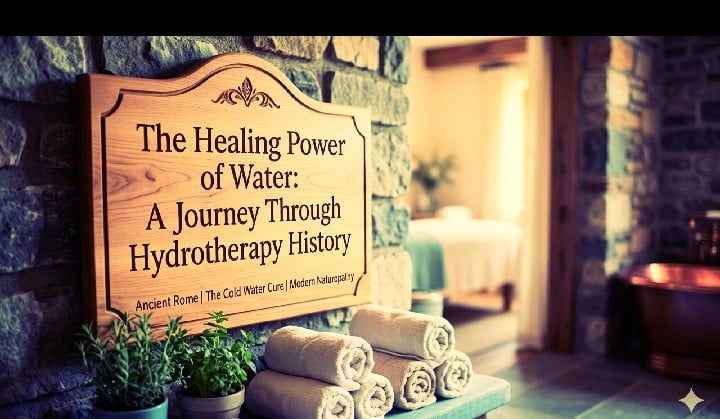
History of Hydrotherapy: From Ancient Rome to Modern Naturopathy
Explore the fascinating history of hydrotherapy and water healing. Learn how ancient Roman baths paved the way for modern, science-backed naturopathy practices that harness the healing power of water.History of Hydrotherapy: From Ancient Rome to Modern Naturopathy
NATUROPATHY PRODUCT
Rajesh Kumar
5/21/20265 min read
Have you ever taken a hot shower after a terrible day and felt the stress melt off your shoulders? Or maybe you have jumped into a cold pool on a scorching summer afternoon. It feels amazing. We do it all the time without thinking twice. But humans have actually used water to heal their bodies for thousands of years.
Scientists call this hydrotherapy. It is a fancy word for a very simple concept: using water at different temperatures to make you feel better. My dear friends, the story of how we got from ancient communal hot springs to modern wellness clinics is a wild ride. Let's explore this now.
Ancient Roman Baths and Communitarian Healing
When we look back at the origins of water therapy, we have to talk about Ancient Rome. Those guys absolutely loved their water. They did not just build standard pools. They built massive, beautiful complexes that served as the beating heart of their cities.
In my experience visiting old ruins, you can still feel how grand these places were. Imagine walking into a massive stone building with marble floors and steam rising into the air.
The Romans did not just hop into a single tub. They had a whole routine. They moved through different rooms with strict temperature changes.
First, you hit the tepidarium. This room had nice, warm air to get you sweating lightly.
Next came the calidarium. This was a hot, steamy room with a deep hot-water pool.
Finally, you shocked your system in the frigidarium. This pool held freezing cold water.
The Romans believed this hot-to-cold routine kept the immune system strong. As far as reality is concerned, they were right on the money. The constant shifting of temperatures pumps your blood and wakes up your nerves.
But these baths were about more than just physical health. People went there to talk politics, gossip, play sports, and eat good food. It was a community hub. Sadly, when the Roman Empire fell apart, a lot of this incredible water culture vanished with it. For a few centuries, Europe largely forgot about the magic of the bathhouse.
The Nineteenth Century Cold Water Cure Revival
Fast forward to the 1800s. People in Europe were getting sick from crowded cities and factory smoke. Medical doctors at the time loved using harsh chemicals, heavy metals, and bloodletting to treat illness. Frankly, it sounded terrifying. I feel that patients were desperate for something gentler.
Enter a regular Austrian farmer named Vincenz Priessnitz.
Priessnitz noticed how a wounded deer in the woods washed its injured leg in a cold mountain stream every single day. He watched the animal heal perfectly. Later, Priessnitz broke his own ribs in a bad farming accident. The local doctor told him he would never walk again.
Refusing to give up, Priessnitz wrapped his ribs in cold, wet bandages and drank gallons of fresh well water. He healed completely.
Word spread like wildfire. Without further ado, let's proceed to how he changed the world. Priessnitz turned his family farm into a wellness center. He called his method the "Cold Water Cure."
He didn't give his guests luxury treatments. He forced wealthy elites, politicians, and artists to chop wood, hike up mountains, and plunge into freezing cold rivers. I have observed that people often value health more when they have to work for it, and his guests loved it. They left feeling completely reborn.
Father Sebastian Kneipp and the Evolution of Modern Naturopathy
While Priessnitz started the spark, a German priest named Sebastian Kneipp turned it into a structured science. Kneipp got very sick with tuberculosis when he was a young student. In the 1800s, that diagnosis was practically a death sentence.
He found an old book about the cold water cure and decided he had nothing to lose. Every single week, Kneipp would run down to the freezing Danube River, jump in for a few seconds, and then sprint back home to warm up.
Guess what? He cured himself.
Kneipp dedicated the rest of his life to studying water. He realized that while Priessnitz loved extreme cold, a gentler approach often worked better for fragile patients. He started mixing hot and cold water treatments. He also added herbal medicine, regular exercise, and a wholesome diet to his program.
If you visit Europe today, you will still see his legacy everywhere. I have seen Kneipp footbaths in public parks across Germany and Austria. They are long, shallow stone troughs filled with freezing cold water. You walk through them like a stork, lifting one foot completely out of the water with every step. It sounds silly, but it instantly cures tired feet and boosts your circulation.
Water Cure Crosses the Atlantic to the USA
It did not take long for this European water craze to cross the ocean. By the mid-1800s, American entrepreneurs were opening massive "water cure establishments" all over the East Coast.
Famous writers like Mark Twain and Edgar Allan Poe spent weeks at these nature retreats. They wanted to escape the stress of city life and clear their minds. Women especially loved these centers. It gave them a safe place to throw away their heavy, suffocating corsets, wear loose clothing, exercise outdoors, and drink pure water.
These American water cure houses laid the foundation for what we now call the modern wellness spa. They proved that your body has an amazing ability to heal itself if you just give it the right natural environment.
Hydrotherapy Inside Modern Naturopathy
So, where does all this history leave us today? Hydrotherapy did not disappear. It simply evolved into a core pillar of modern naturopathy. Naturopathic doctors still use water to trigger the body's natural healing systems, but now they have modern science to back it up.
When you use hot water, your blood vessels dilate. This means they open up wide, sending fresh oxygen and blood to your tired muscles and organs. When you hit the cold water, those vessels instantly constrict and shrink.
By flipping back and forth between hot and cold, you create a powerful pumping action in your cardiovascular system. This flush moves stagnant fluids out of your tissues, reduces inflammation, and gives your immune cells a major wake-up call.
Bringing the History Home to Your Bathroom
You do not need to build a massive Roman stone palace or travel to a hidden mountain stream in Austria to enjoy these benefits. You can practice the history of hydrotherapy right in your own home tonight.
The easiest way to start is the contrast shower. Tomorrow morning, take your normal warm, relaxing shower. Before you turn off the knobs, twist the handle to full cold for just thirty seconds.
It will shock you at first. You might gasp. But as soon as you step out and dry off with a towel, you will feel an incredible rush of warm energy spreading across your skin. Your mind will feel sharp, and your body will feel alive.
Humans have used this simple elemental medicine for thousands of years because it works. Water heals. It always has, and it always will.
Contact
Reach us to book your wellness session
Email - rajnaturcure@gmail.com
© 2025. All rights reserved.