Note: Consult a doctor for health advice. Check out my favorite health products here: (Amazon Affiliate commission applies)
RSV Infection: Symptoms, Causes & Prevention,respiratory syncytial virus
Learn about respiratory syncytial virus (RSV) infection, including its symptoms, causes, and effective prevention methods. Discover how yoga and natural therapies can aid in treating RSV and support respiratory health.
Rajesh Kumar
12/21/20257 min read
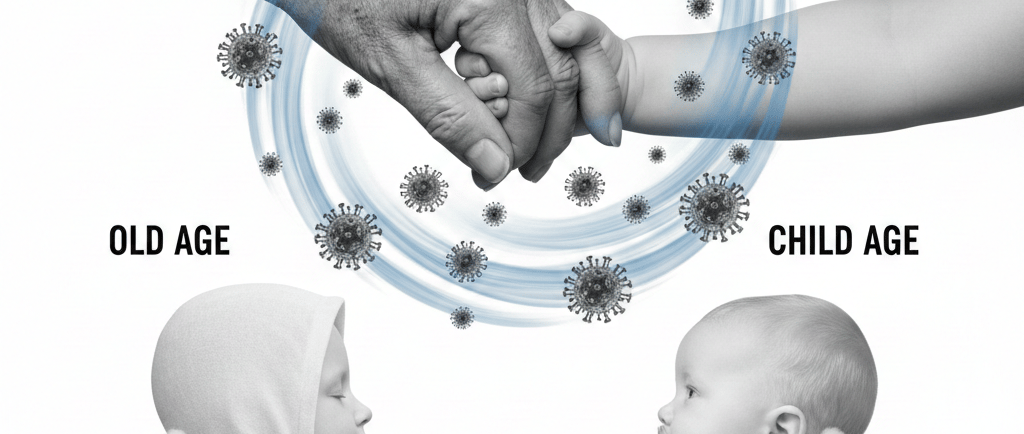
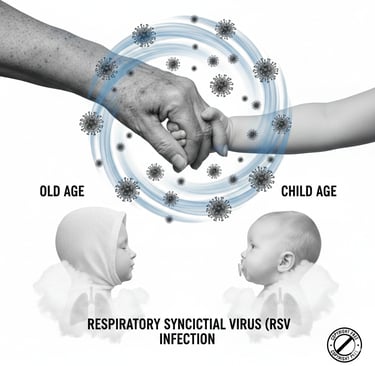
Respiratory Syncytial Virus (RSV) is a common and highly contagious virus that primarily affects the respiratory system. It is a major cause of respiratory infections in infants and young children, but it can also pose significant health risks to the elderly and individuals with compromised immune systems. The virus is known for causing illnesses that range from mild cold-like symptoms to severe lower respiratory tract infections, such as bronchiolitis and pneumonia.
RSV is particularly notable due to its seasonal nature, with outbreaks typically occurring in the fall and winter months. The transmission of the virus occurs through respiratory secretions, primarily from coughing and sneezing, making it easy for the virus to spread within communities. Additionally, the virus can survive on surfaces for several hours, which further increases the likelihood of infection.
Infants are especially vulnerable to RSV, as their immune systems are still developing. It is estimated that almost all children will contract RSV by the age of two, and for some, the symptoms can escalate to more serious respiratory complications requiring hospitalization. As for the older demographic, seniors can experience severe manifestations of RSV due to pre-existing respiratory conditions, making accurate prevention and management of RSV crucial for this population.
Understanding the implications of RSV is vital for public health, especially in light of its potential to lead to more severe health complications amongst vulnerable groups. Awareness around RSV can facilitate early recognition of symptoms, preparation for seasonal spikes in infection rates, and proactive measures to protect at-risk populations from the adverse effects associated with this virus.
Symptoms of RSV Infection
Respiratory Syncytial Virus (RSV) is a common virus that typically affects the respiratory tract in infants and young children but can also impact older adults and individuals with weakened immune systems. The symptoms of an RSV infection can range from mild to severe, making it crucial to recognize the signs early.
Initially, RSV symptoms may mimic those of a common cold. Individuals infected with RSV often present with mild symptoms such as a runny or stuffy nose, cough, and sore throat. Additionally, they may experience low-grade fever and sneezing, similar to typical cold symptoms. These initial occurrences can cause confusion regarding the severity of the infection. However, as the disease progresses, the symptoms can intensify, leading to notable respiratory difficulties.
Severe RSV symptoms include wheezing, rapid breathing, and significant difficulty in breathing. Children suffering from more aggressive forms of infection may display signs of distress, indicating the need for immediate medical attention. One alarming symptom is the development of a bluish color in the lips or face, known as cyanosis, which can signal reduced oxygen levels and a critical need for emergency care.
RSV can lead to further complications, particularly in vulnerable populations such as premature infants and the elderly. Hospitalization may become necessary in cases where patients experience severe respiratory symptoms or complications like bronchiolitis, characterized by inflammation of the small airways in the lungs. It's essential for caregivers and families to monitor symptoms closely and seek appropriate medical advice if RSV infection is suspected.
Causes and Mode of Transmission
The Respiratory Syncytial Virus (RSV) is a highly contagious virus that primarily affects the respiratory tract. Its transmission occurs through direct contact with respiratory secretions of an infected individual. This process is facilitated when an infected person coughs or sneezes, projecting tiny droplets into the air. Individuals can contract RSV by inhaling these droplets or by touching surfaces contaminated with the virus and subsequently touching their face, especially their mouth, nose, or eyes.
RSV exhibits a seasonal pattern, primarily circulating in the fall and winter months. The peak period of RSV infections typically occurs between November and March in temperate climates, although outbreaks can last until early spring. In tropical regions, the patterns may differ, with potential for year-round occurrences. Understanding these seasonal trends is crucial for public health measures aimed at reducing virus spread.
Several factors can increase susceptibility to RSV infection. Infants, especially those younger than six months, are at heightened risk due to immature immune systems. Children with underlying health conditions, such as congenital heart disease or chronic lung disease, also face a greater threat from RSV. Furthermore, adults over the age of 65 may experience complications from RSV, highlighting the importance of awareness among vulnerable populations. Additionally, environmental factors, such as exposure to secondhand smoke or crowded living conditions, can facilitate virus transmission.
In summary, RSV spreads through respiratory droplets and contaminated surfaces, with its transmission peak occurring during specific seasons. Factors such as age, pre-existing health conditions, and environmental circumstances can influence an individual’s risk of infection, underscoring the need for protective measures, especially in susceptible groups.
Who is at Risk?
Respiratory Syncytial Virus (RSV) predominantly affects specific high-risk populations. These groups include infants, the elderly, and individuals with compromised immune systems. Understanding these vulnerable demographics is crucial for effective prevention and management of RSV infections.
Infants, particularly those born prematurely or those with underlying health conditions such as congenital heart disease, are significantly at risk. According to the Centers for Disease Control and Prevention (CDC), nearly 100,000 infants are hospitalized each year due to RSV-related complications in the United States alone. Infants under six months old are especially susceptible, as they may not yet have developed adequate immunity.
The elderly population is another major demographic affected by RSV. As individuals age, their immune systems naturally weaken, making them more vulnerable to respiratory infections. Studies indicate that adults aged 65 years and older who contract RSV experience severe respiratory symptoms, resulting in increased hospital admissions compared to younger adults. It's worth noting that RSV can lead to pneumonia and other complications in elderly patients, posing a serious health risk.
Additionally, individuals with weakened immune systems due to conditions such as HIV/AIDS, cancer, or organ transplant can face higher risks from RSV infections. These patients often have impaired respiratory defenses and may not respond as effectively to conventional treatments, leading to more severe consequences. Current statistics suggest that approximately 60% of RSV-related hospitalizations occur in individuals who fall within high-risk categories.
Overall, by identifying and understanding these at-risk groups, healthcare professionals and caregivers can implement better preventive measures to protect them from the potentially severe impacts of RSV.
Preventive Measures Against RSV
Respiratory Syncytial Virus (RSV) poses a significant risk, particularly to infants and older adults. Preventing RSV infection involves a combination of vaccination, hygiene practices, and minimizing exposure during peak seasons. The following strategies are essential in mitigating the risk of RSV transmission.
Firstly, vaccination plays a fundamental role in preventing severe RSV infections. Although there is no vaccine available for the general public, certain high-risk populations can benefit from an RSV immunization known as palivizumab. This monoclonal antibody is recommended for premature infants and children with certain chronic health conditions. Parents and caregivers should consult healthcare providers regarding eligibility and the benefits of this preventative measure.
In addition to vaccination, stringent hygiene practices are vital in preventing the spread of RSV. Washing hands frequently with soap and water for at least 20 seconds helps eliminate harmful pathogens. Alcohol-based hand sanitizers are also effective when soap and water are unavailable. Furthermore, it is crucial to keep surfaces clean, particularly in shared environments, using disinfectants to remove potential viral contaminants.
Avoiding exposure to respiratory illnesses during peak RSV seasons, typically in winter and early spring, is another preventive strategy. This can be achieved by reducing close contact with individuals exhibiting cold-like symptoms and limiting attendance at crowded places, such as shopping centers and public transport during outbreaks. Additionally, it is advisable to maintain good ventilation indoors and avoid exposure to smoke, as secondhand smoke can exacerbate respiratory conditions.
Implementing these preventive measures is essential for safeguarding vulnerable populations from RSV. Being proactive in promoting hygiene and staying informed about vaccination opportunities can significantly reduce the risk of RSV infections within communities.
Yoga and Natural Therapies for Managing RSV Symptoms
Respiratory Syncytial Virus (RSV) can lead to significant respiratory discomfort, particularly in vulnerable populations such as infants and the elderly. As conventional treatments primarily focus on managing symptoms and supporting respiratory function, alternative approaches like yoga and natural therapies have gained attention for their potential benefits. These practices not only aim to alleviate symptoms but also strengthen the immune system.
Yoga, a holistic practice that interweaves physical postures, breath control, and meditation, has been advocated by healthcare professionals for its ability to enhance respiratory efficiency. Specific yoga poses, such as the "child’s pose" and "modified triangle pose," are believed to facilitate better lung expansion and improve air circulation, possibly alleviating RSV-related symptoms like wheezing and coughing. Moreover, practicing deep, diaphragmatic breathing can enhance oxygen uptake, contributing to a more robust respiratory health.
Natural therapies, including herbal remedies, aromatherapy, and nutritional therapy, also offer promising support in managing RSV symptoms. For instance, herbs like thyme and oregano may provide antimicrobial properties and assist in reducing mucus production. Similarly, essential oils such as eucalyptus can be diffused to promote clearer airways and improve overall comfort. Nutrition plays a critical role as well; consuming foods rich in antioxidants and vitamin C, such as citrus fruits and leafy greens, is advocated to reinforce the immune system.
Several case studies underscore the positive outcomes of integrating these practices into treatment regimens for RSV. Patients who incorporate yoga and adopt natural remedies often report a higher degree of symptom management and overall well-being than those relying solely on conventional treatments.
Incorporating yoga and natural therapies could offer a complementary approach to help manage symptoms of RSV effectively, promoting a holistic strategy for respiratory support. As always, consultation with a healthcare provider is recommended to ensure these practices align with individual health needs.
Conclusion: A Holistic Approach to RSV Prevention
Understanding Respiratory Syncytial Virus (RSV), including its symptoms, causes, and preventive measures, is essential for effective management. RSV is particularly concerning for infants and older adults, making awareness of its impact critical. As discussed, traditional methods such as vaccination and medication play a vital role in mitigating the severity of the virus. However, integrating a holistic approach can enhance these conventional strategies.
Incorporating yoga and natural therapies can provide additional layers of protection and support overall respiratory health. Yoga, through its emphasis on breath control and mindfulness, not only aids in strengthening the respiratory system but also helps in reducing stress, which can negatively impact immune function. Furthermore, natural therapies, including nutrition and herbal supplements, can empower the body’s defenses and promote recovery from infections.
It is crucial to maintain a well-rounded strategy that encompasses proper hygiene, vaccination, and holistic practices. This multifaceted approach not only tackles the immediate threats posed by RSV but also fosters long-term health benefits. Emphasizing a comprehensive methodology ensures that individuals, especially those in high-risk groups, are better equipped to handle potential RSV outbreaks.
In conclusion, RSV prevention and management require a combination of conventional medicine, supportive practices like yoga, and the use of natural therapies. By embracing this comprehensive strategy, we can enhance our defenses against RSV, ultimately leading to improved respiratory health and overall well-being.
Contact
Reach us to book your wellness session
Email - rajnaturcure@gmail.com
© 2025. All rights reserved.