Note: Consult a doctor for health advice. Check out my favorite health products here: (Amazon Affiliate commission applies)
Understanding Dengue: Causes, Symptoms, and Naturopathic Treatments
Dengue fever, primarily transmitted by Aedes mosquitoes, is a major public health challenge in tropical and subtropical regions. Understanding Dengue: Causes, Symptoms, and Naturopathic Treatments
DISEASE
Rajesh Kumar
1/12/20264 min read
What is Dengue and Its Causes?
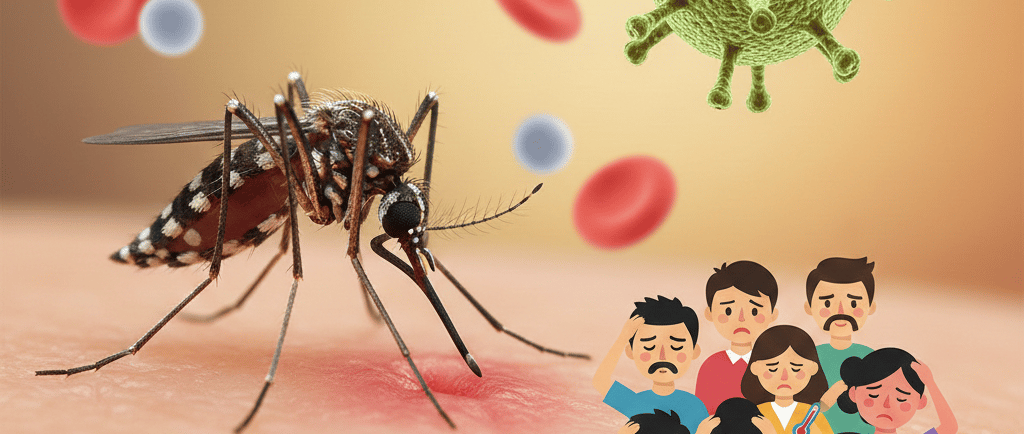
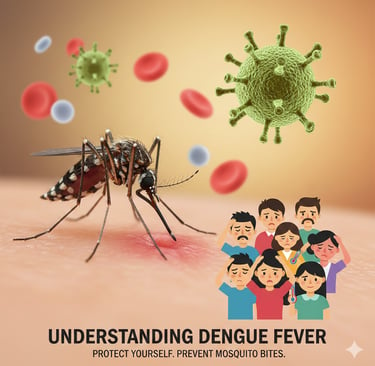
Dengue fever is an infectious disease caused by the dengue virus, which is primarily transmitted to humans through the bites of infected Aedes mosquitoes, particularly the Aedes aegypti species. This virus poses a significant risk in tropical and subtropical regions, where environmental conditions favor the proliferation of mosquito populations. The relationship between these vectors and human activity is crucial in understanding the dynamics of dengue transmission.
The lifecycle of the dengue virus begins when a mosquito feeds on the blood of an infected person. The virus replicates within the mosquito and can be transmitted during subsequent blood meals. This ability of the Aedes mosquitoes to thrive in urban environments further exacerbates the spread, as these insects tend to breed in stagnant water often found in densely populated areas. Thus, urbanization plays a pivotal role in creating breeding grounds for the mosquitoes responsible for dengue fever outbreaks.
Several environmental, biological, and social factors contribute to the occurrence of dengue outbreaks. Climate change, for instance, impacts temperature and rainfall patterns, leading to an increase in mosquito breeding sites. Additionally, socio-economic factors, such as inadequate waste management or limited access to healthcare, can hinder effective dengue prevention and control measures. Public health systems must consider these factors to develop strategic interventions that can effectively mitigate the risks associated with dengue.
Understanding the stages of the dengue virus's lifecycle is equally important. Recognizing the environmental conditions that facilitate its transmission can inform effective preventive measures. As research continues, raising awareness about dengue and implementing community-driven initiatives can help limit its prevalence, ultimately reducing the burden of this disease on affected populations.
Recognizing the Symptoms of Dengue Fever
Dengue fever, a mosquito-borne viral infection, presents a variety of symptoms that typically manifest after an incubation period of four to ten days following the bite of an infected mosquito. Consequently, early recognition of these symptoms is paramount to facilitate timely medical intervention. The initial phase is often characterized by mild manifestations, including high fever, severe headaches, and debilitating pain behind the eyes. These symptoms may gradually escalate in severity and duration.
In many cases, individuals infected with the dengue virus may experience joint and muscle pain, which has earned dengue the moniker "breakbone fever" due to the intense pain associated with it. Accompanying these symptoms, patients may also exhibit rashes that appear within three to four days of the onset of fever. This progression may signify the potential for more severe manifestations of the disease.
As the illness advances, individuals may develop severe complications, highlighting the need for vigilant monitoring of symptoms. Severe cases of dengue can lead to dengue hemorrhagic fever, a condition that is marked by unexpected bleeding tendencies, significantly low platelet counts, and plasma leakage that can precipitate shock. Recognizing these severe symptoms—such as persistent vomiting, severe abdominal pain, and difficulty breathing—is crucial, as they require immediate medical attention.
Understanding the spectrum of dengue symptoms not only facilitates awareness but also emphasizes the importance of early diagnosis. Early medical intervention can mitigate the risk of complications and improve patient outcomes significantly. Overall, being attentive to these symptoms can empower individuals to seek help promptly and potentially safeguard against the severe impacts of the dengue virus.
Naturopathy: Holistic Approaches to Treat Dengue Symptoms
Naturopathic treatments for managing dengue symptoms focus on supporting the body's natural healing processes through holistic methods. One significant aspect of naturopathy is the use of herbal medicine, which can be beneficial in alleviating symptoms such as fever and body aches. Herbs such as andrographis and tumeric are commonly recommended due to their anti-inflammatory and immune-boosting properties. Incorporating these herbs can aid in reducing dengue-related discomfort and promoting overall health.
Another important component of naturopathic care is the application of essential oils. Oils like eucalyptus and peppermint can provide relief from headaches and nausea. When diffused or applied topically in diluted forms, these oils may enhance comfort during the illness. Care must be taken when selecting essential oils, ensuring they are safe and suitable for the individual's health status.
Homeopathy also plays a role in naturopathic treatments. Remedies are tailored to the individual symptoms presented, including options such as Belladonna for high fever or Arsenicum album for weakness. Naturopaths often emphasize the need to individualize treatment protocols to address specific symptoms effectively.
A significant lifestyle change recommended is maintaining proper hydration. Alongside water, hydrating fluids like coconut water are encouraged, as they replenish electrolytes and nutrients lost during the illness. This becomes vital in preventing dehydration, a common risk associated with dengue.
Nutrition is equally crucial in supporting recovery. A diet rich in fruits, vegetables, and lean proteins can empower the immune system. Foods with high vitamin C content can particularly be beneficial, enhancing the body's ability to fight infections.
It is essential to consult with healthcare professionals when considering naturopathic treatments for dengue. While these methods provide valuable support, they should complement, not replace, conventional medical care. A collaborative approach ensures effective management of the illness while safeguarding health.
Prevention Strategies and Awareness for Dengue Fever
Dengue fever, transmitted primarily by Aedes mosquitoes, poses significant public health challenges, especially in tropical and subtropical regions. The prevention of dengue fever is largely reliant on community awareness and proactive measures to minimize mosquito exposure. Among the most effective personal protective strategies is the consistent use of mosquito repellent on exposed skin. This practice not only lowers individual risk but also contributes to reducing overall mosquito populations in the vicinity.
Another essential strategy involves the elimination of standing water, where mosquitoes breed. Regularly inspecting and maintaining areas in and around homes, such as flower pots, buckets, and clogged gutters, is crucial. Community initiatives focusing on public clean-up events can significantly aid in establishing a dengue-free environment. Engaging in such collaborative efforts not only reinforces community bonds but also raises awareness regarding dengue prevention.
Wearing appropriate clothing, such as long-sleeved shirts and long pants, can further provide a barrier against mosquito bites, especially during peak biting times, which include early morning and late afternoon. Educational campaigns spearheaded by public health authorities are vital in disseminating knowledge about the symptoms of dengue and the importance of seeking medical attention if suspected. These campaigns can enhance community vigilance and responsiveness during outbreaks.
Moreover, local governments play a pivotal role in implementing policies aimed at controlling mosquito populations, such as fogging and introducing larvicides in hotspots. Community engagement in these governmental initiatives is essential. By fostering a culture of health awareness, individuals are encouraged to take responsibility for themselves and their surroundings, leading to collective efforts in combating dengue fever effectively. Encouraging participation in health awareness programs ultimately empowers communities to address this serious health threat proactively.
Contact
Reach us to book your wellness session
Email - rajnaturcure@gmail.com
© 2025. All rights reserved.