Note: Consult a doctor for health advice. Check out my favorite health products here: (Amazon Affiliate commission applies)
understanding-heart-disease-causes-symptoms-and-prevention
understanding-heart-disease-causes-symptoms-and-prevention. Learn effective prevention strategies to maintain heart health and reduce risks associated with heart diseases.
DISEASE
Rajesh Kumar
12/23/20254 min read
Understanding Heart Disease: Causes, Symptoms, and Prevention
Heart disease remains a leading cause of death worldwide, but understanding its complexities can empower us to take proactive steps towards a healthier heart. This blog post will delve into the common causes, recognizable symptoms, and crucial prevention methods for heart disease, providing you with the knowledge to safeguard your cardiovascular health.
The Causes: What Leads to Heart Disease?
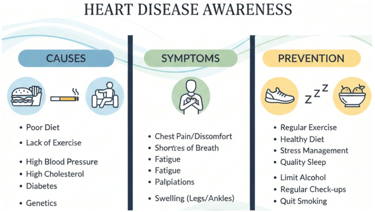
Heart disease isn't a single condition but rather a group of conditions that affect the heart. Many factors can contribute to its development, often over many years. Here are some of the most common culprits:
Poor Diet: Consuming a diet high in saturated and trans fats, cholesterol, sodium, and sugar can lead to plaque buildup in the arteries (atherosclerosis), high blood pressure, and obesity, all of which strain the heart.
Lack of Physical Activity: A sedentary lifestyle contributes to obesity, high blood pressure, high cholesterol, and diabetes – all significant risk factors for heart disease. Regular exercise strengthens the heart and improves overall cardiovascular function.
High Blood Pressure (Hypertension): This is a major risk factor, often called the "silent killer" because it typically has no symptoms. Over time, high blood pressure damages the artery walls, making them more susceptible to plaque buildup.
High Cholesterol: Specifically, high levels of low-density lipoprotein (LDL) cholesterol, often called "bad" cholesterol, contribute to the formation of plaque in the arteries, narrowing them and restricting blood flow.
Diabetes: Both type 1 and type 2 diabetes significantly increase the risk of heart disease. High blood sugar levels damage blood vessels and nerves that control the heart.
Obesity: Carrying excess weight, especially around the abdomen, puts extra strain on the heart, raises blood pressure, cholesterol levels, and the risk of developing diabetes.
Smoking: Smoking is incredibly detrimental to heart health. Nicotine constricts blood vessels, carbon monoxide reduces the amount of oxygen in the blood, and other chemicals damage the lining of the arteries, accelerating atherosclerosis.
Excessive Alcohol Consumption: Heavy drinking can lead to high blood pressure, heart failure, and stroke.
Stress: Chronic stress can contribute to high blood pressure and other heart disease risk factors.
Genetics and Family History: If you have a family history of heart disease, you may be at a higher risk, indicating a genetic predisposition.
Age: The risk of heart disease generally increases with age.
The Symptoms: Recognizing the Warning Signs
Symptoms of heart disease can vary widely depending on the specific condition and can sometimes be subtle or even absent until the disease has progressed significantly. However, it's crucial to be aware of common warning signs:
Chest Pain or Discomfort (Angina): This is often described as pressure, tightness, squeezing, or aching in the chest. It can radiate to the arms (especially the left), neck, jaw, or back. This is a common symptom of a heart attack or angina.
Shortness of Breath (Dyspnea): Feeling breathless, especially during exertion or when lying down, can be a sign that your heart isn't pumping enough blood.
Fatigue: Unusual or unexplained tiredness, especially if it interferes with daily activities, can be a symptom of heart failure.
Dizziness or Lightheadedness: Feeling faint or dizzy can indicate an irregular heartbeat or reduced blood flow to the brain due to heart issues.
Swelling (Edema): Swelling in the legs, ankles, and feet can occur when the heart isn't pumping effectively, leading to fluid buildup.
Palpitations: A feeling of a racing, pounding, or fluttering heart can indicate an arrhythmia (irregular heartbeat).
Pain in Other Body Parts: Pain that spreads from the chest to the shoulders, arms, back, neck, jaw, or stomach can be a sign of a heart attack.
Nausea, Indigestion, Heartburn, or Abdominal Pain: These symptoms can sometimes accompany a heart attack, particularly in women.
It's vital to seek immediate medical attention if you experience any of these symptoms, especially if they are sudden, severe, or accompanied by other warning signs.
The Prevention: Protecting Your Heart
The good news is that a significant number of heart disease cases are preventable through lifestyle modifications and proactive healthcare. Here are key prevention methods:
Regular Exercise: Aim for at least 150 minutes of moderate-intensity aerobic exercise or 75 minutes of vigorous-intensity exercise per week, along with muscle-strengthening activities twice a week. This strengthens your heart, improves blood circulation, and helps manage weight, blood pressure, and cholesterol.
Healthy Diet:
Focus on whole foods: Incorporate plenty of fruits, vegetables, whole grains, lean proteins (fish, poultry, beans, nuts), and healthy fats (avocado, olive oil).
Limit unhealthy fats: Reduce intake of saturated and trans fats found in processed foods, fried foods, and red meat.
Reduce sodium intake: Too much salt can contribute to high blood pressure.
Cut down on sugar: Added sugars contribute to weight gain and increase the risk of diabetes.
Maintain a Healthy Weight: Losing even a small amount of excess weight can significantly reduce your risk factors for heart disease.
Quit Smoking: If you smoke, quitting is the single most impactful step you can take for your heart health.
Manage Blood Pressure: Regularly monitor your blood pressure and work with your doctor to keep it within a healthy range through lifestyle changes and, if necessary, medication.
Control Cholesterol Levels: Get your cholesterol checked regularly. Follow your doctor's recommendations for diet, exercise, and medication if needed, to manage your LDL and HDL cholesterol levels.
Manage Diabetes: If you have diabetes, diligently manage your blood sugar levels through diet, exercise, and prescribed medications.
Limit Alcohol Consumption: If you drink alcohol, do so in moderation (up to one drink per day for women and up to two drinks per day for men).
Manage Stress: Find healthy ways to cope with stress, such as mindfulness, meditation, yoga, spending time in nature, or engaging in hobbies.
Prioritize Quality Sleep: Aim for 7-9 hours of quality sleep per night. Poor sleep can contribute to high blood pressure and other heart disease risk factors.
Regular Check-ups: Visit your doctor regularly for screenings and to discuss any concerns. Early detection and management of risk factors are crucial.
By understanding the causes, recognizing the symptoms, and actively implementing prevention strategies, you can significantly reduce your risk of heart disease and lead a longer, healthier life. Your heart is a vital organ – treat it with the care it deserves.
Contact
Reach us to book your wellness session
Email - rajnaturcure@gmail.com
© 2025. All rights reserved.